
"Ethiopian Harar"
500 article(s) found

How to drink coffee beans washed in Ethiopian tea Liku water _ introduction to Ethiopian coffee producing areas
Professional coffee knowledge exchange more coffee bean information please follow the coffee workshop (Wechat official account cafe_style) Ethiopian coffee Ethiopia Ethiopia is the birthplace of coffee, legend has it that an unknown shepherd Kadi Kaldia found this best-selling mysterious red fruit: coffee, while herding sheep in the forests of western Ethiopia.

What is the difference in flavor and taste between Guji and Sidamo in Ethiopian coffee producing area
There are eight major coffee producing areas in Ethiopia: Lekempti, Limu, Illubabor, Djimmah, Harar, Teppi/Bebeka, Sidamo and Yirgacheffe. Evaluation of Ethiopian Coffee in China
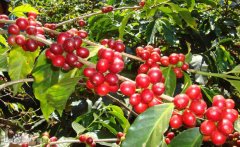
Sour coffee at Harald African Coffee Manor
Harald (Harar) is located in the Eastern Highlands of Ethiopia (Harerge province) and grows between 5000 and 7000 feet above sea level. Most of the raw beans are medium size and long at both ends, with yellow or golden green color, strong chocolate smell when baking, wild taste with moderate acidity and rich texture, is a very typical mocha flavor, good Hara with

Ethiopian Harald Coffee Legend introduction to Ethiopia's well-known coffee brand coffee beans
Professional coffee knowledge exchange more coffee bean information Please follow the coffee workshop (Wechat official account cafe_style) in the past 20 years, Harald is just a faded memory, a legend, an imprint that may not be able to be reproduced. Once upon a time, the unique blueberry flavor of Harald in Ethiopia made other coffee look good.

Test report on coffee bean cups produced in East Africa
The characteristics of good coffee produced in East Africa are so strong that coffee from other regions of the world is relatively mild, such as Kenya's super-full wine flavor and Ethiopian Yega Snow Coffee, which is full of amazing floral aromas. these are examples of this kind of strong performance, and it is almost impossible to find a coffee produced in East Africa that is mild.

How many Yega Xuefei are there in the producing area? what are the characteristics of the hand flushing?
Professional coffee knowledge exchange more coffee bean information please follow the coffee workshop (Wechat official account cafe_style) Qianjie introduction-Yega Sheffield we are familiar with the Yega Sheffei Yirgacheffe, Ethiopia's big coffee producing areas also include Sidamo Sidamo and Harald Harar, as well as some small producing areas such as Lim Limmu. These are all Ethiopian products.
The practice of single coffee Sidamo coffee beans the method of growing coffee beans
The main producing areas of Ethiopian coffee are Harald (Harar) in the east, Djimmah (southwest) and Sidamo (south). The unique fragrance of Yirgacheffe comes from Yirga, a small town in the northwest of Sidamo province. Yirgacheffe Coffee Raw Bean is World

An introduction to the characteristics of the flavor description of the citrus-flavored Sidamasha Chiso producing area in Ethiopia
Ethiopia grows coffee in different climatic zones, so it has more than 140 farm varieties, and fresh coffee is produced all the year round. The quality of Ethiopian coffee varies according to different elevations and regional ecological environment. The Harar coffee in the southeast highland is a typical Muha coffee with a strong flavor; the coffee produced in the southwest Wollega has a rich fruity flavor; Limu coffee

Introduction to Harald Coffee, the most famous coffee in Ethiopia
The most famous coffee in Ethiopia is Harald coffee. Harald is located in eastern Ethiopia. Harald is an ancient city with a long history and one of the four holy cities of Islam. The Harald region has the best altitude for Arabica coffee and is the highest coffee producer in Ethiopia. Harald, Ethiopia, like Mocha in Yemen, is pure-handed.

The only place in the world that has wild coffee, black mountain Harald coffee in Harald, Ethiopia.
Ethiopian coffee is mostly produced in the plateau above 2000 meters above sea level, with large producing areas such as Gima, Gamby, Yeerqifa, Sidamo and Harald. Among them, the region is still the only place in the world with wild coffee, which is auctioned in London every year and the auction price is astonishingly high. Harald, located in eastern Ethiopia, is an ancient building with a long history.

Introduction of famous coffee producing areas, processing plants and producers' cooperatives in Ethiopia
For professional baristas, please follow the coffee workshop (Wechat official account cafe_style) Ethiopia is the birthplace of Arabica coffee and has the most diverse variety on earth. The main producing areas are Sidama, Yirgacheffe, Kochere, Harar, and Djimmah (there are many English place names in Ethiopia.
Ethiopia's highlands are the birthplace of coffee. Boutique coffee represents the region of Yega Shefi.
The Ethiopian plateau is the birthplace of coffee. In the east, near Harrar, the ancient capital, mocha beans (Harrar,Harari,Harer or Harar) are still produced by traditional drying methods at an altitude of about 2,000 meters above sea level. Halal's texture is medium, with a fruity, wine-like flavor, good Halal's wildness is comparable to the best Yemeni mocha. Dryness in other areas

Characteristics of Ethiopian coffee, origin of Ethiopian coffee
Pay close attention to coffee comment (Weixin Official Accounts vdailycom ) and find that the geographical environment of Ethiopia is very suitable for coffee growth. Coffee is mainly grown in the southern highlands between 1100 and 2300 meters above sea level. The main coffee producing areas are Harar, Limu, Djimma, Sidamo and Ka.

A brief introduction to the Market Price of Ethiopian Fine Coffee Bean varieties with small fragrant beans
Yega Xuefei is a small town, 700-2100 meters above sea level, synonymous with Ethiopian boutique coffee. It has been a wetland since ancient times. The ancient saying "Yirga" means to settle down and "Cheffe" means a wetland. The mode of production and flavor of coffee here are so outstanding that Ethiopian coffee farmers compete to take pride in the flavor of their coffee, making it the worst in Africa.
The Origin of Sidamo Coffee beans Fine Coffee
The main producing areas of Ethiopian coffee are Harald (Harar) in the east, Djimmah (southwest) and Sidamo (south). The unique fragrance of Yirgacheffe comes from Yirga, a small town in the northwest of Sidamo province. Yirgacheffe coffee raw beans are the world
A brief introduction to the main producing areas of coffee beans in Ethiopia
Hara (Harar) / Solar or dried (Sundried/Dry-Processed) Hara is located in the Eastern Highlands of Ethiopia (Harerge Province) and grows between 5000 and 7000 feet above sea level. It was still wild on slopes a century ago. Most of the raw beans are medium size and have long tips at both ends, with a yellowish or golden green color and strong chocolate when baking.

The birthplace of Arabica Coffee-the main coffee producing area of Ethiopia-Sidama in Sidamo
For professional baristas, please follow the coffee workshop (Wechat official account cafe_style) Ethiopia is the birthplace of Arabica coffee and has the most diverse variety on earth. The main producing areas are Sidama, Yirgacheffe, Kochere, Harar, and Djimmah (there are many English place names in Ethiopia.
The name of "Yejia Xuefei": Yirgacheffe and Sidamo
As the birthplace of coffee, Ethiopian coffee is famous for its unique flavor and rich coffee gene pool. Among them, Yirgacheffe, Sidamo and Harar are the most famous. Yirgacheffe is famous for washing Yejia Sheffield, which is the most classic and wonderful coffee producing area. Unique citrus style, just

What brand of coffee beans is good?-Sidamohan Bella Sunshine Huakui round sour juice
Professional coffee knowledge exchange more coffee bean information please follow the coffee workshop (Wechat official account cafe_style) front street-Sidamo Sakuran Coffee introduction Ethiopian coffee is mainly produced in eight major areas: Lekempti, Limu, Illubabor, Djimmah, Harar, Teppi/Bebeka, Sidamo, Yirgacheffe. Ethiopian coffee is highly rated in China, especially

A brief introduction to the history and culture of the origin and development of sweet Ethiopian boutique coffee beans
Getachew Mengistie, director of Ethiopia's Bureau of intellectual property, bluntly pointed out that farmers sell raw beans for $1.45 a pound, while Starbucks sells for $26 a pound in the United States, 18 times the price difference between the two places. The reason is that Ethiopia does not know how to use intellectual property rights to create value for farmers, as long as the name of Ethiopian high-quality beans, it can be higher than the average in the United States.